WILSONELECTRONICS.COM, WILSONPRO.COM AND ZINWAVE.COM ARE NOW WILSONCONNECTIVITY.COM
The Benefit of Carrier-Agnostic Cell Signal Boosting Solutions
January 18, 2024
If you’re among the 95 percent of Americans who uses a cell phone, you’ve probably been somewhere you can’t get a signal — only to hear someone say your particular carrier’s signal is weak in that building or location. The burden to fix weak network signals used to be on the carriers themselves. However, as it has become less practical to upgrade cellular infrastructure at the carrier level — based on demand, time, and installation complexities — customers are turning to alternative solutions.Chief among those solutions has been the adoption of passive distributed antenna systems (passive DAS) cellular signal boosters. Passive DAS has become a very effective solution for addressing “dead zones,” and it often requires less time and financial investment to install than its active DAS counterpart.It’s important to note, however, that not all passive DAS solutions are created equally.In this age of constant connectedness, everyone who sets foot in your building expects a strong, clear cell phone signal, regardless of the carrier they’ve chosen. If you’re looking to improve the cellular signal in your building, you’ll want to find a carrier-agnostic solution to ensure that you meet the needs of all tenants or visitors.Carriers Endorse Agnostic Boosters
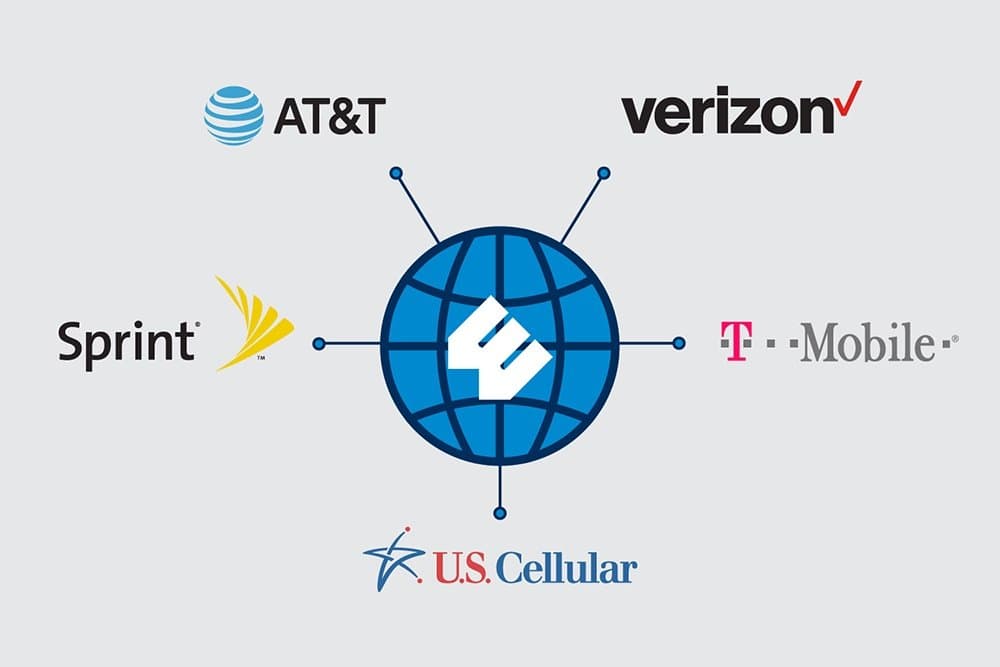
Carriers in the U.S. have largely ceased to own cell towers, and the major cellular networks understand the benefits of all-encompassing signal-boosting solutions. They know that agnostic boosters are the right solution for the customer. To that end, Verizon, T-Mobile, and AT&T have endorsed WilsonPro’s carrier-agnostic cell signal boosters.Ability to Protect Carrier Networks
Of course, for all carriers, protecting their network is the #1 concern — and understandably so. In the early days of cell signal boosters, there were no regulations. Boosters were deployed and, in many instances, would shut down entire cell towers. This left carriers and consumers skeptical.But thanks to the FCC regulations mandated in 2014, cell signal boosters now adhere to standards that prevent the recurrence of such issues. WilsonPro worked in partnership with the FCC to create those standards, and to ensure that primary weaknesses, including network overload and interference/oscillation were addressed.That adoption of FCC guidelines coupled with the advancement of passive DAS technology, has resulted in a win-win for carriers and customers alike. Verizon, for example, reports that it has seen zero issues in some 10,000 WilsonPro cell signal booster installations.If you’re interested in learning more about how Wilson Pro’s signal boosters can offer your customers equal access to their carrier of choice, learn more here.
How it works
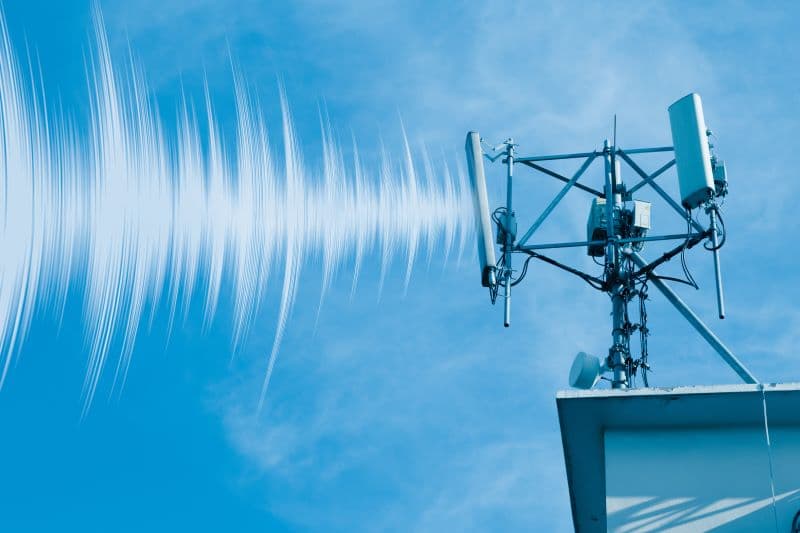
WilsonPro products are designed to capture the existing signal from the nearest cell towers, amplify the signal, and broadcast it inside the building. Unlike carrier-specific boosting solutions, WilsonPro boosts signals for devices on any cell phone carrier network.Passive DAS requires far less elaborate installation than what’s required for complicated Distributed Antenna System signal booster technology. What’s more, cell phone signal boosters also take the voice or data signals from cellular users’ phones and boost them to create better, faster and more well-connected signals back to the carriers’ towers. This results in faster upload times, better call quality, and improved service in both directions.Carriers Endorse Agnostic Boosters
Carriers in the U.S. have largely ceased to own cell towers, and the major cellular networks understand the benefits of all-encompassing signal-boosting solutions. They know that agnostic boosters are the right solution for the customer. To that end, Verizon, T-Mobile, and AT&T have endorsed WilsonPro’s carrier-agnostic cell signal boosters.Ability to Protect Carrier Networks
Of course, for all carriers, protecting their network is the #1 concern — and understandably so. In the early days of cell signal boosters, there were no regulations. Boosters were deployed and, in many instances, would shut down entire cell towers. This left carriers and consumers skeptical.But thanks to the FCC regulations mandated in 2014, cell signal boosters now adhere to standards that prevent the recurrence of such issues. WilsonPro worked in partnership with the FCC to create those standards, and to ensure that primary weaknesses, including network overload and interference/oscillation were addressed.That adoption of FCC guidelines coupled with the advancement of passive DAS technology, has resulted in a win-win for carriers and customers alike. Verizon, for example, reports that it has seen zero issues in some 10,000 WilsonPro cell signal booster installations.If you’re interested in learning more about how Wilson Pro’s signal boosters can offer your customers equal access to their carrier of choice, learn more here.Featured & Trending Now
Six Ways to Solve In-Building Wireless: How to Figure Out Which One You Actually Need