WILSONELECTRONICS.COM, WILSONPRO.COM AND ZINWAVE.COM ARE NOW WILSONCONNECTIVITY.COM
Building Materials and Cell Phone Signal Booster Performance
November 8, 2023
Materials used for today’s energy-efficient building can be kryptonite to cellular signals. From low-E glass to metal-reinforced concrete, understanding how different materials impact signal propagation is essential for planning effective coverage solutions. Find out which materials cause the biggest challenges and how to overcome them.
Obstructions to a good signal
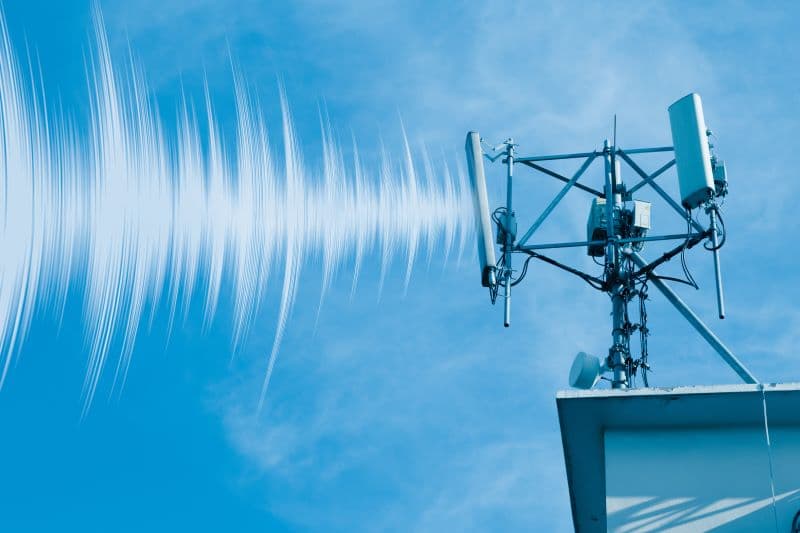
Cellular signals emanate from cell towers. Although there are countless towers in most developed areas of the country, there are several reasons that their signals may not be reaching your device.- Distance: If you’re in a remote region with few cell towers, you may just be too far away for a strong signal to reach you.
- Terrain: Mountains, hills, and bluffs can all stand in the way of the tower and your device, absorbing the signals before they reach you.
- Vehicles: The metal and glass materials of a vehicle provide protection for passengers, but also can prevent cell signals from getting in.
- Vegetation: Thick forests, tall trees, and other vegetation can form natural barriers to cell signal waves.
- Atmospheric conditions: Turbulent storms, thick fog, and other weather conditions can easily disrupt cell signals.
- Man-made obstructions: Brick, concrete, and steel materials in bridges, buildings, and other man-made objects are notorious cell signal obstructions.
How building materials block signals
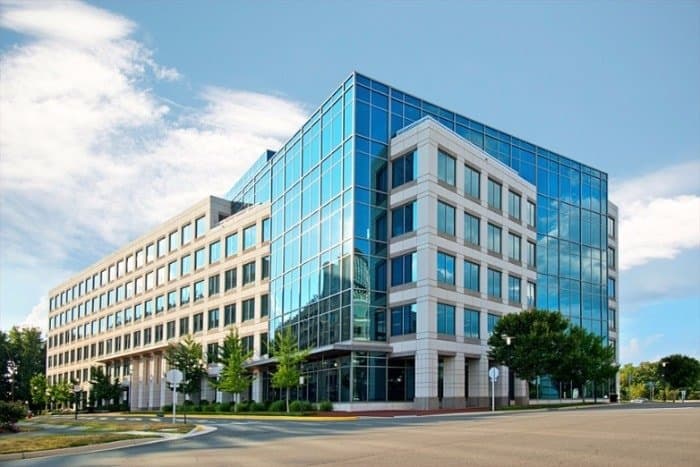
Almost any large object built by humans can interfere with cell phone connectivity. Since we spend a good deal of time inside, we depend on strong reception indoors. Yet, radio frequency (RF) signals cannot filter through materials like metal or concrete. Instead, large buildings or even the walls of your office can deflect or distort signal waves. That’s why driving into a parking garage will almost always disrupt your cell reception—because suddenly the signal has to deal with numerous thick concrete walls. You may wonder if there’s a way to boost signal in a metal building.Other building materials like wood, brick, stone, shingles, and drywall can have a similar effect, weakening and often blocking signals completely. Even glass — especially energy-efficient windows coated in metal-oxide — can cause signals to bounce right off the surface.See this chart below for how much signal is lost (dB) for each type of building material. This is why you might experience slow data and dropped calls while indoors.Generally speaking, reception will almost always be better outside a building than inside. So how can indoor cell reception be improved?Cell signal boosters bring the outside signal inside
Cell signal boosters—also called bidirectional amplifiers—use antennas to detect any existing signal outside the building — even a very weak one — and bring it indoors. Then, the booster amplifies the signal and broadcasts it inside the building, bringing a better signal within range of your cell phones and devices. When you make a call, it works in the opposite direction by transmitting an amplified signal from your phone back outside to the cell tower.Depending on the size of the interior space, the man-made materials involved, and the layout of the building itself, you may need several antennas and amplifiers to provide the needed coverage improvement. That’s where a professional installer can help optimize your booster system for the best results.Contact us to learn more about how an in-building cell signal booster can improve your building’s reception. Or download our case study to learn how WilsonPro delivered total cellular connectivity to a high-end condominium, and can do the same for your business.Featured & Trending Now
Six Ways to Solve In-Building Wireless: How to Figure Out Which One You Actually Need