WILSONELECTRONICS.COM, WILSONPRO.COM AND ZINWAVE.COM ARE NOW WILSONCONNECTIVITY.COM
Reliable Cell Coverage Makes K-12 Schools Safer and Smarter
August 20, 2024
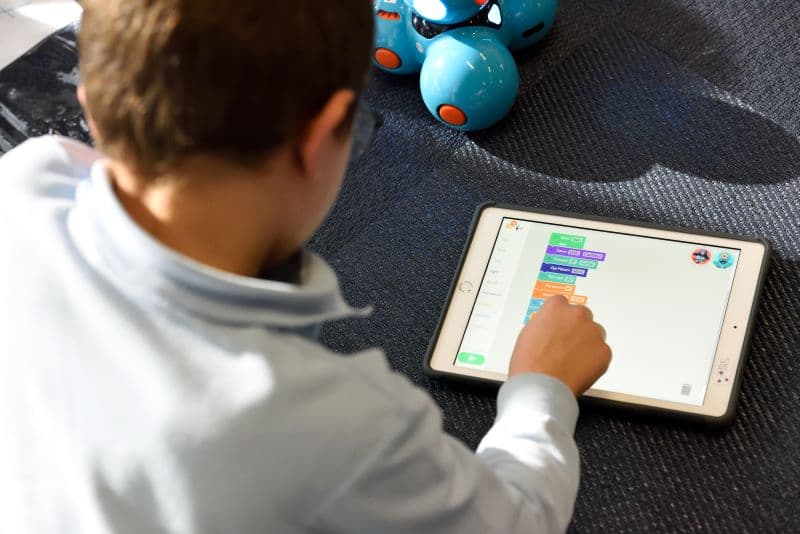
Technology use in classrooms has been on a steady rise for years. However, the shift to virtual learning during the COVID-19 pandemic greatly accelerated widespread adoption of connected devices for education.Now that students are back in the classroom, educators continue to realize the educational benefits of reliable technology. Mobile devices, in particular, are not only changing the way school-aged children and teens communicate but also becoming an integral part of how students learn — enriching the academic experience and extending learning beyond the walls of the classroom.Despite all the promise mobile devices offer students, many schools struggle to maintain a reliable cellular connection. In this article, we’ll look at why K-12 schools should prioritize connectivity and how cellular repeater systems improve in-building coverage in schools.Safe Room Connectivity
Safe rooms are used as a first line of defense against active shooters and natural disasters in both K-12 schools and universities. The most common type of safe room is an interior room with reinforced walls, doors, and windows that can withstand considerable damage from outside forces. They often include a dedicated intercom system and panic buttons for communication with law enforcement and first responders.Many schools have implemented cellular-connected safe rooms in their facilities so that students can dial 911 without having access to WiFi or landlines during an emergency situation. Because cellular networks are typically built for reliability and redundancy they are better suited than WiFi for mission-critical communications.The importance of cellular connectivity in safe rooms cannot be overstated. The ability to contact parents and other agency personnel is critical to ensuring their safety and the success of the response effort. In addition, the ability to alert first responders is vital for their ability to coordinate efforts with school staff during an emergency situation.Because safe rooms are often reinforced with signal-blocking materials, cellular repeater systems work to capture outside signal and bring it inside the room.If you’re a school administrator, it’s important to support these technologies and maintain a reliable safety alert system. In the event of school violence or another emergency, two-way communication between teachers and emergency responders is essential.
Mobile Technology in the Classroom
From everyday school-day tasks to technologically complex learning activities, classroom education can be augmented with mobile technologies. The International Society for Technology in Education (ISTE) explained the various ways smartphones can be used to enhance learning experiences:Use cases include:- Creating short 5-20 second videos to exercise creativity
- Scanning QR codes for easy access to online resources
- Research and learning to evaluate sources
- Accessing an online dictionary or thesaurus
- Using social media feeds to communicate and collaborate on assignments
- Listening to relevant podcasts
- Reading about current events and news
- Referencing calendar apps to stay on top of assignments
- Contributing to classroom discussion forums to develop skills in writing and debating
- Using educational apps to make learning accessible and fun
Connectivity = Effective Learning
The International Society for Technology in Education’s National Technology Education Standards evaluate what students need to know in a digital world in order to become effective learners and live productively. These standards suggest that students:- Work creatively and with innovation
- Communicate and collaborate
- Research with information fluency
- Think critically and problem-solve
- Broaden their perspectives
Safety and Alert Systems
The need for reliable and effective safety and alert systems have also become an unfortunate reality for K-12 schools. Systems that rely on cellular signal provide internal and outgoing notifications in the event of an emergency. Alerts can be sent via text, social networks, email, and other dedicated apps. If a cellular signal is weak or non-existent, then the safety of staff and students can be at risk.Safe Room Connectivity
Safe rooms are used as a first line of defense against active shooters and natural disasters in both K-12 schools and universities. The most common type of safe room is an interior room with reinforced walls, doors, and windows that can withstand considerable damage from outside forces. They often include a dedicated intercom system and panic buttons for communication with law enforcement and first responders.Many schools have implemented cellular-connected safe rooms in their facilities so that students can dial 911 without having access to WiFi or landlines during an emergency situation. Because cellular networks are typically built for reliability and redundancy they are better suited than WiFi for mission-critical communications.The importance of cellular connectivity in safe rooms cannot be overstated. The ability to contact parents and other agency personnel is critical to ensuring their safety and the success of the response effort. In addition, the ability to alert first responders is vital for their ability to coordinate efforts with school staff during an emergency situation.Because safe rooms are often reinforced with signal-blocking materials, cellular repeater systems work to capture outside signal and bring it inside the room.If you’re a school administrator, it’s important to support these technologies and maintain a reliable safety alert system. In the event of school violence or another emergency, two-way communication between teachers and emergency responders is essential.WilsonPro Repeaters Make Schools Smarter and Safer
Accessing a strong indoor signal can be difficult depending on campus size, location, construction materials, and infrastructure. Poor cellular coverage is often left unaddressed due to limited district budgets.Administrators often assume that a project to improve cellular coverage will be too costly. Fortunately, cell signal repeaters offer affordable solutions for improving cellular reception in educational environments.Signal repeaters allow schools to improve cellular signal without the need for intensive infrastructure and the disruption it can cause. Because cellular repeater systems work by capturing existing outdoor cellular signal and amplifying it within the building, WilsonPro Repeater Solutions enhance cellular signal wherever it is weak. And there’s no need to tear into walls or ceilings to install fiber-optic cable.WilsonPro Repeater Solutions are also compatible with all US carrier networks, including 5G.Rather than invest in a solution that supports a signal carrier network, repeaters are a carrier agnostic solution for every signal cellular-connected device on campus.Invest in Your School Today
Repeater systems offer a convenient way for schools to improve reception across multiple classrooms and buildings. Improved coverage allows for efficient communication, faster data transfers, and easier interaction with digital tools.If you’d like to learn how WilsonPro can provide better cellular reception to deliver an improved learning experience within your school, contact WilsonPro for more information.Featured & Trending Now
Six Ways to Solve In-Building Wireless: How to Figure Out Which One You Actually Need